
Crooked or crowded teeth can quietly hold your confidence back. Maybe you hide your smile in photos, or your bite has always felt a little off. Clear aligners are one of the most popular ways to straighten teeth today, and this guide explains what they are, how they work and what they can help with, so you can decide whether to take the next step.
what are clear aligners?
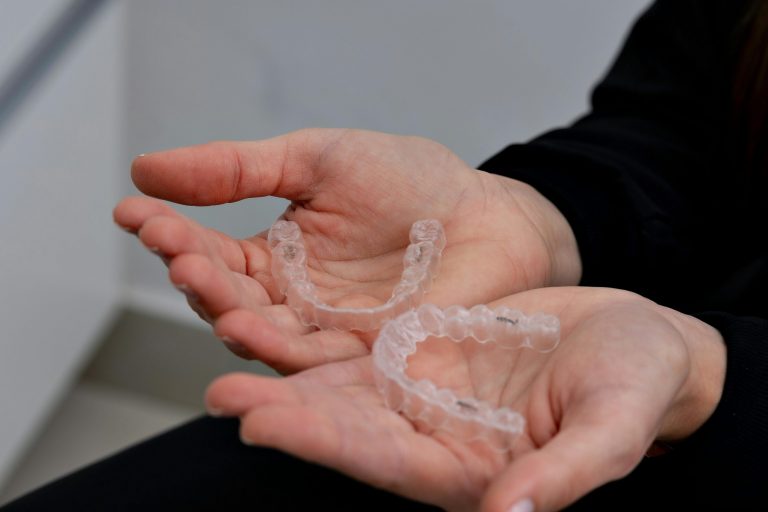
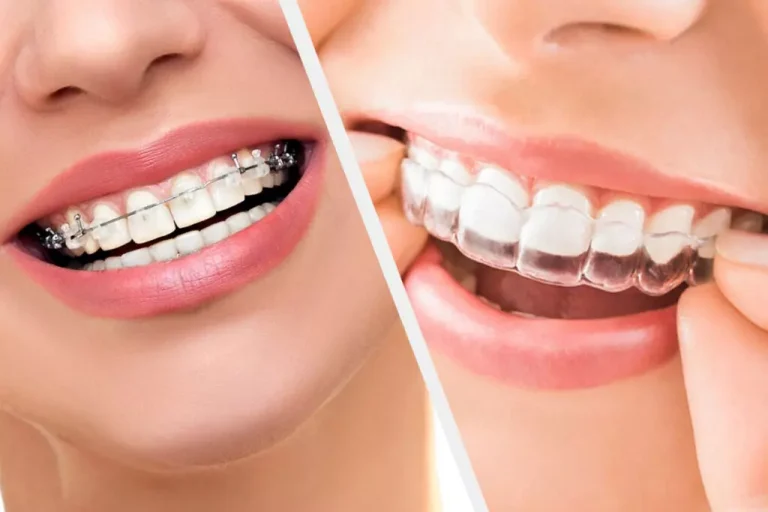
Clear aligners are transparent, removable trays custom-made to gradually shift your teeth into better alignment. They’re made from smooth, BPA-free plastic and offer a discreet alternative to traditional metal braces. You may also hear them called “invisible braces”.
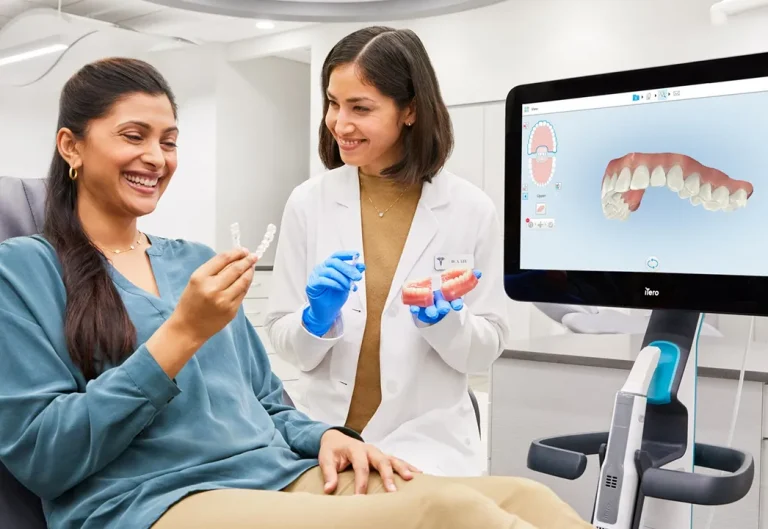
Your trays are designed from a detailed digital scan of your teeth, so each one fits snugly over your own teeth.
For an independent overview, see the Orthodontics Australia guide to clear aligners.
how do clear aligners work?
Treatment follows a simple pattern: scan, plan, straighten.
- Scan: a 3D digital scan maps your teeth precisely. There are no messy impressions.
- Plan: your dentist uses the scan to plan how each tooth will move, stage by stage, and how many sets of aligners you’ll need.
- Straighten: you wear each set for about one to two weeks. Each one applies gentle, controlled pressure that moves your teeth a little further, then you switch to the next.
Some people need small tooth-coloured attachments on certain teeth to help the aligners grip. Your dentist monitors your progress throughout and can adjust the plan if needed.
Want to know what happens at each appointment? Our step-by-step guide to your clear aligner journey walks you through it.
what can clear aligners fix?
Clear aligners can help with a range of alignment issues, including:
- crowded teeth
- gaps and spacing
- crooked or twisted teeth
- some bite issues, such as mild overbites, underbites and crossbites
- teeth that have shifted after earlier braces
They work best for mild to moderate cases. More severe or complex cases may need a different approach, which is why a proper assessment comes first. If you’re weighing up your options, see clear aligners vs braces.
more than a cosmetic fix
Wanting straighter teeth isn’t vain. Alongside the look of your smile, better alignment can support your oral health in a few ways.
easier cleaning
Food is more likely to get trapped between crooked or overlapping teeth, where bacteria and plaque build up. When teeth are straighter, it’s easier to reach every surface with your brush and floss. That can help lower your risk of decay, gum problems and bad breath.
healthier gums
Crowding and uneven spacing can make some areas hard to keep clean, which may contribute to bleeding, swollen gums and, over time, gum disease. Straighter teeth can make good gum care simpler.
a more even bite
When teeth don’t meet evenly, some may take more force than others. Better alignment may reduce the risk of chipping and can help spread biting forces more evenly. For some people this may also ease strain around the jaw.
confidence
If you’ve ever held back a smile because you felt self-conscious, you’re not alone. Aligners aren’t magic, but many people find that feeling better about their smile makes them more comfortable in photos, at work and socially. And because aligners are hard to notice, you don’t have to put your confidence on hold during treatment.
why people choose clear aligners
- Discreet: they’re hard to notice in everyday conversation.
- Removable: take them out to eat, brush and floss.
- No food restrictions: because they come out for meals, there’s no list of foods to avoid.
- Comfortable: smooth plastic, with no brackets or wires to rub.
Weighing up the cost against these benefits? Read are clear aligners worth it?
what’s involved day to day?
Aligners only work when you wear them. You’ll need to:
- wear them for 20–22 hours a day, taking them out mainly to eat
- brush and floss before putting them back in
- clean your aligners gently each day as your dentist recommends
- keep up regular check-ins so your dentist can make sure your teeth are tracking
It quickly becomes second nature. For practical advice, see our top 10 tips for wearing clear aligners.
who are clear aligners for?
Clear aligners can suit teens and adults with mild to moderate alignment issues. They may be a good fit if you’ve never had orthodontic treatment, or if you wore braces years ago and your teeth have drifted since.
For teens, success depends on wearing the aligners as instructed. Our guide to aligners for teens covers what parents usually ask. It’s also never too late: many adults straighten their teeth later in life. Read more in the journey to teeth alignment.
how long does treatment take?
Many treatments run between 6 and 18 months, depending on how much your teeth need to move and how consistently you wear your aligners. We’ll give you a projected timeline at your consultation and keep checking progress along the way.
what happens after treatment?
Once your teeth are in position, you’ll need a retainer to help keep them there. Without one, teeth can gradually drift back. Your dentist will explain which type suits you and how often to wear it.
how much do clear aligners cost?
At smilogy, clear aligners start from $2,250 (lite), with standard plans at $3,850 and advanced plans at $4,850. Your fee depends on your case and will be confirmed at your consultation. Payment plans are available, and you may be able to claim through private health cover.
faqs
are clear aligners the same as invisible braces?
Yes. “Invisible braces” is another name for clear aligners: removable, custom-made plastic trays that gradually move your teeth.
do clear aligners hurt?
You’ll usually feel some pressure or tightness for a day or two after starting a new set. That’s a sign they’re working, and it tends to settle as your teeth adjust.
how often do I change my aligners?
Usually every one to two weeks, as your dentist directs.
will I need a retainer?
Yes. A retainer helps keep your teeth in their new position after treatment.
find out if clear aligners suit you
Your first step is a consultation at our Edgecliff or Castle Hill clinic. We’ll assess your teeth and bite, explain how treatment would work for you, show you a digital preview of your potential result, and answer your questions about cost, time and care. There’s no pressure to go ahead.
Learn more about clear aligners at edgecliff or castle hill, or book online.