
Imagine smiling in photos without a second thought, or biting into a crisp apple without worrying about your teeth. For many people, straighter teeth are about more than looks. They’re about feeling comfortable in your own smile and making your teeth easier to care for.
This guide is a big-picture look at teeth straightening: why teeth become misaligned, the options available, what straightening can do for you, and how to keep your results once you’re there.
what is a straighter smile?
A straighter smile has evenly aligned teeth without crowding, gaps or twisting, and a bite where the upper and lower teeth meet comfortably. It can change how your smile looks, but the benefits of better alignment go beyond appearance.
what causes misaligned teeth?
There are many reasons teeth end up out of line. Some of the most common are:
- Genetics: the size and shape of your teeth and jaws are often inherited.
- Crowding: when there isn’t enough room in the jaw, teeth can overlap or twist.
- Spacing: when there’s too much room, gaps can form between teeth.
- Trauma: a fall or accident affecting the mouth can knock teeth out of position.
Teeth can also shift gradually over the years, which is why some adults who had braces as teens notice changes later.
what are your options for straightening teeth?
Teeth straightening (orthodontics) uses gentle, controlled pressure to move teeth into better positions over time. The main options are:
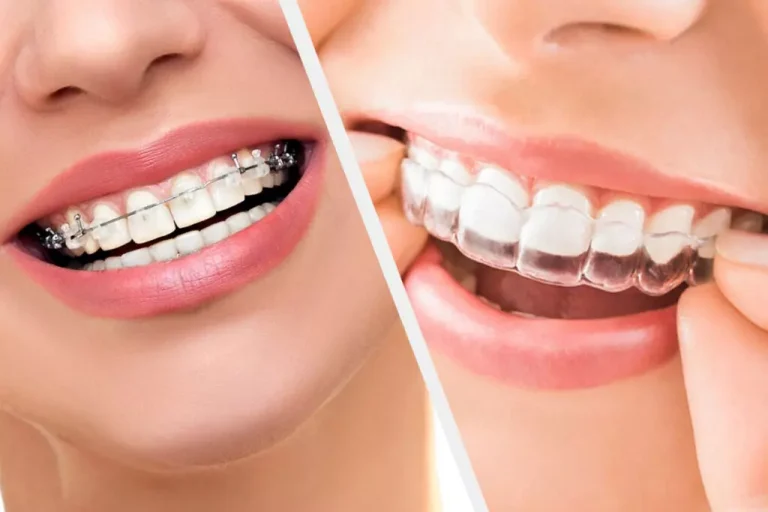
- Traditional braces: brackets bonded to the teeth and joined by a wire that’s adjusted over time. They’re fixed and can handle a wide range of cases.
- Lingual braces: braces placed on the inner side of the teeth, so they’re hidden from view.
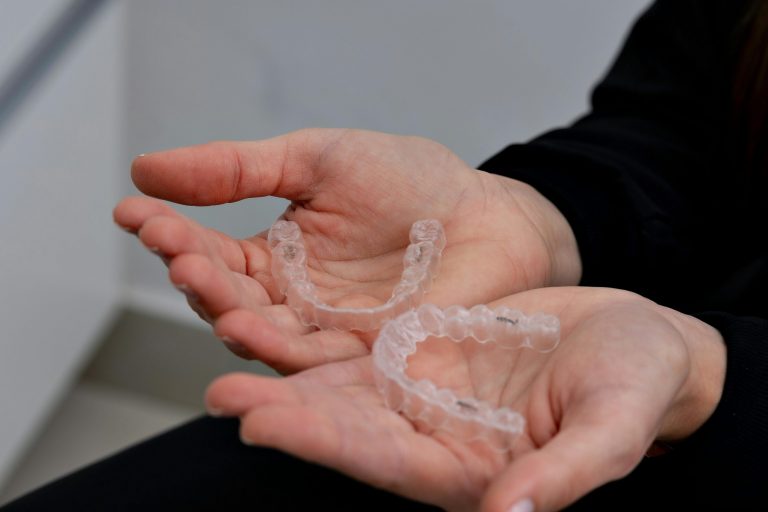
- Clear aligners: a series of removable, custom-made clear trays, each worn for one to two weeks. They’re hard to notice and are often suited to mild to moderate cases. Learn more in what are clear aligners?
- Retainers: worn after treatment to help hold teeth in their new positions, usually at night.
For some people with minor misalignment, cosmetic treatments such as veneers or small amounts of tooth reshaping can improve how the teeth look without moving them. These change the teeth themselves rather than straightening them, so they suit different goals. Your dentist can explain the difference.
Not sure which is right for you? Compare the two most common options in clear aligners vs braces.
what are the benefits of straightening your teeth?
easier to keep clean
Crooked teeth create awkward angles and tight spots that are hard to reach with a brush or floss. Plaque and bacteria can collect there, which may raise your risk of decay, gum disease and bad breath. Straighter teeth are simpler to clean well.
more comfortable chewing
A well-aligned bite can help you chew more efficiently and spread biting forces more evenly, which may reduce wear and the risk of chipping.
less strain on the jaw
Your jaw joints (the temporomandibular joints, or TMJs) connect your lower jaw to your skull. For some people, an uneven bite may add strain around these joints. Improving alignment may help, although jaw pain can have many causes and needs a proper assessment.
clearer speech
The position of your teeth affects how your tongue and airflow shape certain sounds. In some cases, better alignment may help with clearer speech.
confidence
Feeling good about your smile can make it easier to smile freely at work, with friends and in photos.
can teeth be straightened at any age?
Yes. Teeth can be moved at any age as long as your teeth and gums are healthy. Many adults choose to straighten their teeth, and discreet options like clear aligners make it easier to fit treatment around work and family life.
The right timing depends on a few things:
- Your stage of growth: in children and teens, the jaws are still developing, which can affect when and how treatment is best done. Your dentist can advise on timing. See our teen dental care page and our guide to aligners for teens.
- Your oral health: gum disease, decay or other problems usually need treating first.
- Your lifestyle: if you’re busy or want a low-profile option, removable aligners may suit you better than fixed braces.
If you’re an adult thinking it’s too late, read it’s never too late: smile makeover at any age.
how teeth straightening works
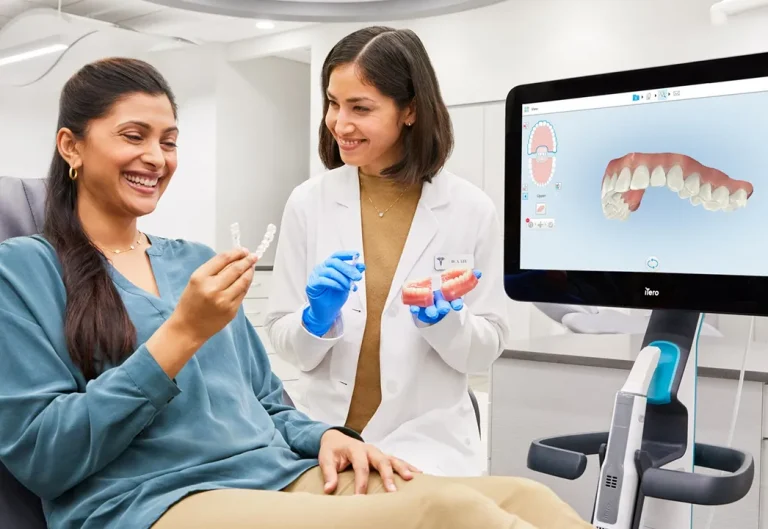
Every option applies controlled pressure to move teeth gradually. Modern treatment starts with digital records. Tools such as 3D imaging and computerised treatment planning let your dentist map how each tooth should move and tailor the plan to you.
From there, progress is checked at regular visits and the plan is adjusted if needed. Some teeth take longer to move than others. The upper canines (eye teeth), for example, have long roots and can take more time.
your role in the journey
Straightening doesn’t only happen in the dental chair. Your part makes a real difference:
- Follow the plan: with clear aligners, that means wearing them 20–22 hours a day and switching sets as directed. Long breaks can slow progress.
- Keep your mouth clean: brush and floss carefully, especially after meals, before putting aligners back in.
- Avoid harmful habits: nail-biting and chewing on hard objects can work against treatment.
- Stay in touch: if something doesn’t feel right, contact your dental team rather than waiting for your next visit.
Patience and consistency are what get you to the finish line. For practical daily advice, see our top 10 tips for wearing clear aligners.
keeping your results
Once your teeth are straight, the goal is to keep them that way. Teeth can gradually drift back, so you’ll be given a retainer and clear instructions on how long and how often to wear it. Good brushing, flossing and regular check-ups help keep your teeth and gums healthy for the long term.
faqs
how can I improve my teeth alignment?
Orthodontic treatment such as braces or clear aligners moves teeth into better positions. For minor issues, cosmetic options such as veneers may improve the look of the teeth without moving them. A dentist can tell you which approach suits your goals.
how long does teeth straightening take?
It depends on how much movement is needed. Clear aligner treatment often takes around 6 to 18 months. More complex cases can take longer.
is there a fastest way to straighten teeth?
The quickest path is usually the right treatment for your case, followed consistently. With aligners, wearing them as directed is the biggest factor you control.
can straightening be part of a smile makeover?
Yes. Straightening is often the first step before treatments like whitening or veneers. Learn more in our guide to a smile makeover.
start your journey
The first step is a consultation. We’ll assess your teeth, gums and bite, talk through your goals, and recommend the option that suits you. Clear aligners at smilogy start from $2,250 (lite), with standard plans at $3,850 and advanced plans at $4,850, confirmed at your consultation. Payment plans and private health cover can help.
Explore clear aligners at edgecliff or castle hill, see our smile makeover options, or book online.
Any invasive procedure carries risks. Before proceeding, you may wish to seek a second opinion from an appropriately qualified health practitioner.