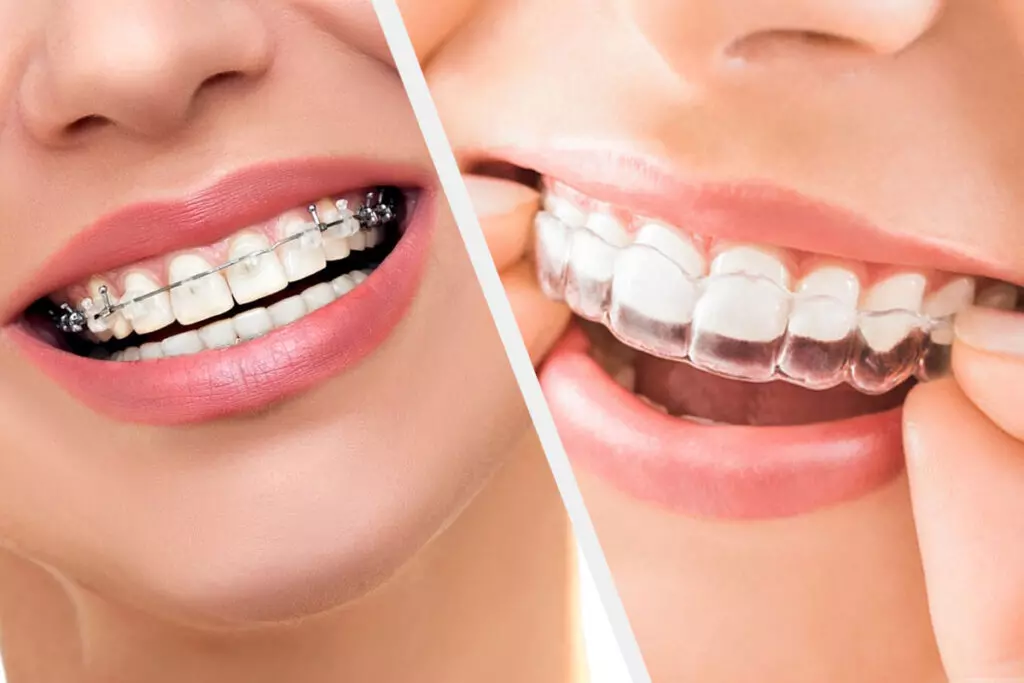
Clear Aligners vs Braces: Which Is Right for Your Smile?
Thinking about straightening your teeth, but not sure whether to choose clear aligners or traditional braces? You’re not alone. This is one of the most common questions we hear from patients at Smilogy’s Edgecliff and Castle Hill clinics.
Both options can give you a straighter, healthier smile — but they suit different lifestyles, budgets and smile goals. Let’s walk through the key differences so you can feel confident about your next step.
How Do Clear Aligners Work?
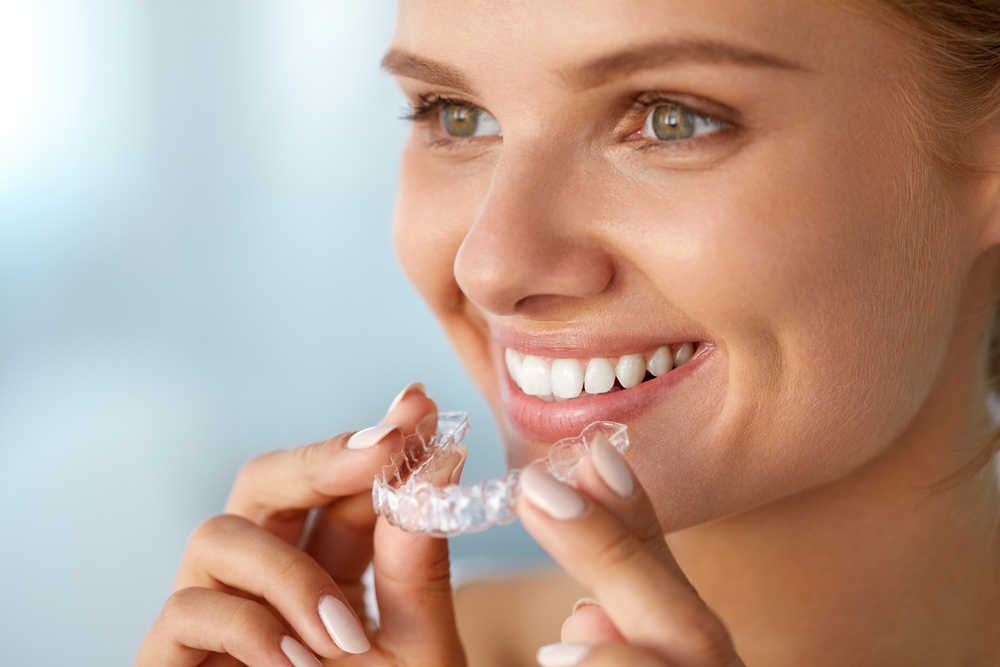
Clear aligners are thin, removable plastic trays that fit snugly over your teeth. You’ll wear a series of aligners, each one gently moving your teeth a little closer to their ideal position.
At Smilogy, your aligner treatment starts with:
- A thorough consultation and oral health check
- Digital scans instead of messy impressions
- A customised 3D treatment plan that maps each stage of your tooth movement
You wear your aligners for 20–22 hours a day, removing them only for eating, drinking anything other than water, and brushing.
Best suited for:
- Mild to moderate crowding or spacing
- People who value a discreet, low-profile option
- Adults and teens who can commit to wearing aligners as instructed
How Do Braces Work?
Traditional braces use brackets and wires attached to your teeth. Your dentist or orthodontist gradually adjusts the wires to guide tooth movement.
Braces can be:
- Metal braces (most common)
- Sometimes ceramic/tooth-coloured braces (less noticeable)
Because braces are fixed to your teeth, you don’t have to remember to put them back in — but you do need to be careful with certain foods and extra cleaning around the brackets.
Best suited for:
- More complex bite or alignment issues
- Patients who prefer a “set and forget” option
- Younger patients who might lose removable aligners
Appearance: How Visible Are They?
This is often the biggest deciding factor, especially for adults.
- Clear Aligners
- Practically invisible in everyday conversation
- No metal brackets or wires
- Great if you speak to clients, are on camera, or simply don’t want your treatment to be obvious
- Practically invisible in everyday conversation
- Braces
- Visible when you smile and talk
- Ceramic braces can be more discreet, but still more noticeable than aligners
- Some younger patients like the option to choose fun coloured bands
- Visible when you smile and talk
If a low-key look is important to you, clear aligners usually come out on top.
Comfort: Which Feels Better?
All orthodontic treatment involves some pressure on your teeth (that’s how they move!), but the experience can be different.
- Clear Aligners
- Smooth plastic trays with no metal brackets
- Less chance of rubbing or irritation to cheeks and lips
- No wires to poke or snap
- Smooth plastic trays with no metal brackets
- Braces
- Brackets and wires can sometimes rub, especially when they’re first placed or adjusted
- Wax and other products can help, but some patients do find the initial phase more noticeable
- Brackets and wires can sometimes rub, especially when they’re first placed or adjusted
Most patients describe aligners as more comfortable overall, especially once they get used to switching to a new set.
Eating & Lifestyle: Which Is Easier Day to Day?
- Clear Aligners
- Remove aligners to eat and drink
- No food restrictions — you can still enjoy crunchy, chewy and sticky foods (as long as you take your aligners out first!)
- Just remember to brush or rinse before popping them back in
- Remove aligners to eat and drink
- Braces
- You’ll need to avoid certain foods that can damage brackets or get stuck, such as:
- Hard lollies
- Very chewy or sticky foods
- Corn on the cob, certain nuts, etc.
- Hard lollies
- More careful cleaning to remove food around brackets and wires
- You’ll need to avoid certain foods that can damage brackets or get stuck, such as:
If you love your food and don’t want to change your diet too much, clear aligners can be a big win.
Treatment Time: Which Is Faster?
Treatment time depends mostly on:
- How complex your case is
- How well you follow instructions
- Your biology (everyone’s teeth move slightly differently)
For many mild to moderate cases, clear aligners and braces can take a similar amount of time.
The big difference is:
- Aligners rely on you wearing them 20–22 hours per day
- Braces work 24/7 because they’re fixed
At Smilogy, we’ll map out your individual timeline during your consultation and give you a realistic idea of how long treatment may take.
Cleaning & Oral Hygiene
Keeping teeth clean during orthodontic treatment is crucial for avoiding decay and gum issues.
- Clear Aligners
- Remove trays to brush and floss normally
- Clean aligners with recommended solutions or gentle brushing
- Easy to keep your regular routine
- Remove trays to brush and floss normally
- Braces
- Requires more time and tools (e.g., floss threaders, interdental brushes)
- Food and plaque can get trapped around brackets if you’re not diligent
- Your dentist or hygienist will show you the best techniques
- Requires more time and tools (e.g., floss threaders, interdental brushes)
If you already find flossing a chore, aligners may feel more manageable.
Cost: Are Clear Aligners More Expensive?
Costs depend on:
- How complex your case is
- How long treatment is expected to take
- Any additional treatments needed (e.g. cleaning, fillings, whitening)
Clear aligners can be similar in cost to braces, especially for shorter or simpler treatments, but it does vary. At Smilogy, we’ll go through your options transparently and discuss:
- Up-front costs
- Any staged treatment options
- How to plan your smile investment over time
So… Clear Aligners or Braces?
There’s no one-size-fits-all answer. However, this is a useful rule of thumb:
Choose clear aligners if you:
- Want a discreet, nearly invisible option
- Prefer being able to eat normally with aligners removed
- Can commit to wearing them as instructed
Choose braces if you:
- Have more complex bite or alignment issues
- Prefer a fixed option that doesn’t rely on you remembering to wear it
- Don’t mind the look of brackets and wires
At Smilogy, our dentists at Edgecliff and Castle Hill will assess your teeth, listen to your goals, and help you decide which option suits you best — clinically, financially and lifestyle-wise.
Ready to Talk About Your Options?
If you’re unsure which way to go, the best starting point is a comprehensive aligner and orthodontic consultation.
Our team at Smilogy Edgecliff and Smilogy Castle Hill will:
- Check your oral health
- Take digital scans
- Talk through aligners vs braces for your specific case
- Answer any questions you have about cost, comfort and results
You can book your appointment online or get in touch with our friendly team to find a time that suits you.
FAQ Ideas for Schema
- Are clear aligners as effective as braces?
Clear aligners can be just as effective as braces for many mild to moderate alignment issues. For more complex bite problems, braces may still be recommended. Your dentist will advise what’s best for your specific case. - Do clear aligners hurt less than braces?
You may feel pressure when you start a new aligner or have braces adjusted, but many patients find aligners more comfortable overall due to their smooth design and lack of brackets and wires. - Can I switch from braces to clear aligners?
In some cases, yes. If your teeth and gums are healthy, your dentist may be able to move you from braces to aligners partway through treatment. This depends on your alignment and treatment plan. - Are clear aligners suitable for teenagers?
Yes, many teenagers are suitable for clear aligners as long as they are responsible enough to wear them as instructed. Your dentist will assess their suitability during a consultation.