Uncategorized

Clear aligners at Smilogy

What to Expect on Your Clear Aligner Journey at Smilogy

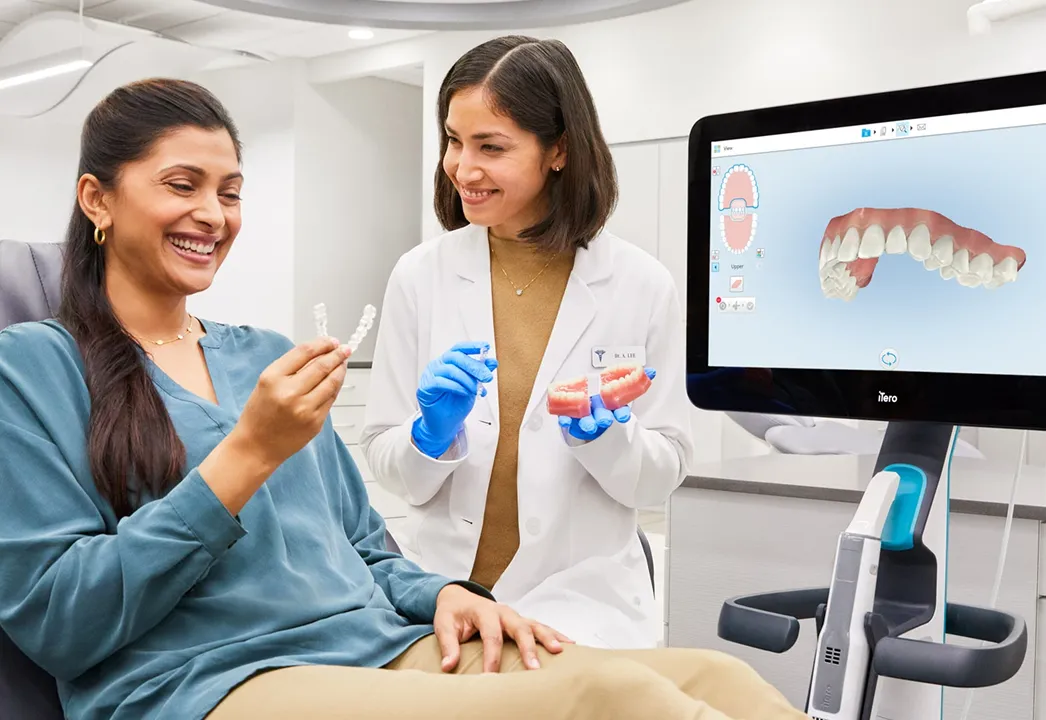
Your Clear Aligner Journey at Smilogy: Step-by-Step Guide Starting clear aligner treatment is exciting – but it can also come with lots of questions. At Smilogy’s Edgecliff and Castle Hill clinics, we want your aligner journey to feel simple, transparent and supported. Here’s a step-by-step look at what you can expect from start to finish. Step 1: Your Initial Consultation Your journey starts with a comprehensive examination with one of our dentists. During this visit we will: This is also your chance to ask anything you’re unsure about – cost, comfort, timelines, what you can realistically expect from treatment. If clear aligners look like a good fit for you, we’ll move on to the next step. Step 2: Digital Scans and Records No messy impressions here. At Smilogy, we use digital scanning technology to create a precise 3D model of your teeth. At this stage we may: These records are used to design your customised treatment plan and ensure we’re moving your teeth safely. Step 3: Your Personalised 3D Treatment Plan Using your digital records, we’ll create a 3D treatment plan that maps out how your teeth will move over time. You’ll be able to see: We’ll walk you through: Step 4: Fitting Your First Set of Aligners Once your aligners are ready, you’ll come back to Smilogy for your fitting appointment. During this visit, we will: If your treatment requires small attachments on certain teeth – tiny tooth-coloured “bumps” that help the aligners grip and move the teeth more effectively – we’ll place them at this appointment or soon after. Step 5: Wearing Your Aligners at Home Most of your treatment happens at home, quietly and gradually. You’ll: Some tips we’ll talk you through at your fitting: Our aim is to help your aligners become a natural part of your routine, not a daily hassle. Step 6: Regular Check-Ins at Smilogy Throughout treatment, you’ll have regular review appointments at Smilogy Edgecliff or Castle Hill. At these visits the dentist will: Some reviews may be spaced out a bit more, especially if your treatment is progressing smoothly. If anything doesn’t feel right between visits, we’re here for you. Step 7: Nearing the Finish Line – Refinements (If Needed) Towards the end of treatment, we’ll re-assess your smile to make sure we’ve hit our targets. Sometimes, a short “refinement” phase is needed to: This may involve a few extra aligners, but it’s all part of ensuring you get the best possible result. Step 8: The Big Reveal – and Retainers Once we’re happy with your final result, it’s time to celebrate your new smile — but your journey doesn’t end there. To keep your teeth from drifting back, you’ll need retainers. We’ll chat to you about: Think of retainers as your smile insurance policy. How Long Does the Whole Journey Take? Treatment time varies from person to person, depending on: For mild to moderate cosmetic changes, many patients finish treatment in a number of months. More complex cases can take longer. At your consultation we’ll give you a realistic estimate based on your teeth – not a generic timeline. What Makes the Smilogy Experience Different? At Smilogy, we focus on making your clear aligner journey: Ready to Start Your Clear Aligner Journey? If you’ve been thinking about straightening your teeth, your first step is a clear aligner consultation at Smilogy. We’ll: Book an appointment at Smilogy Edgecliff or Smilogy Castle Hill, and take the first step toward the smile you’ve been thinking about. FAQ Ideas for Schema

Read More
Clear Aligners vs Braces

Clear Aligners vs Braces: Which Is Right for Your Smile?

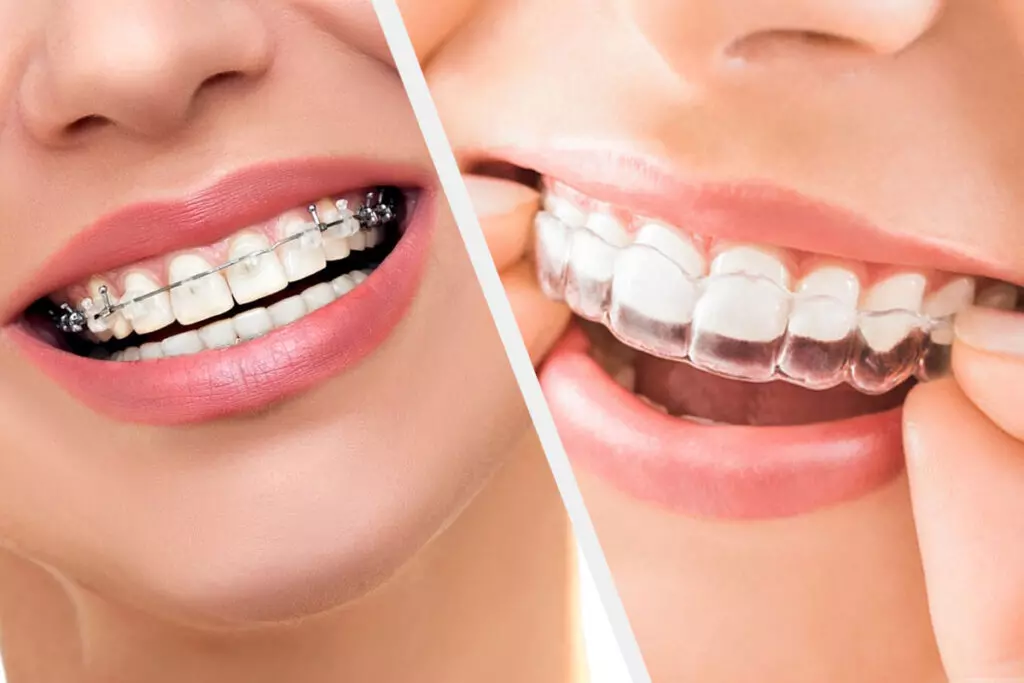
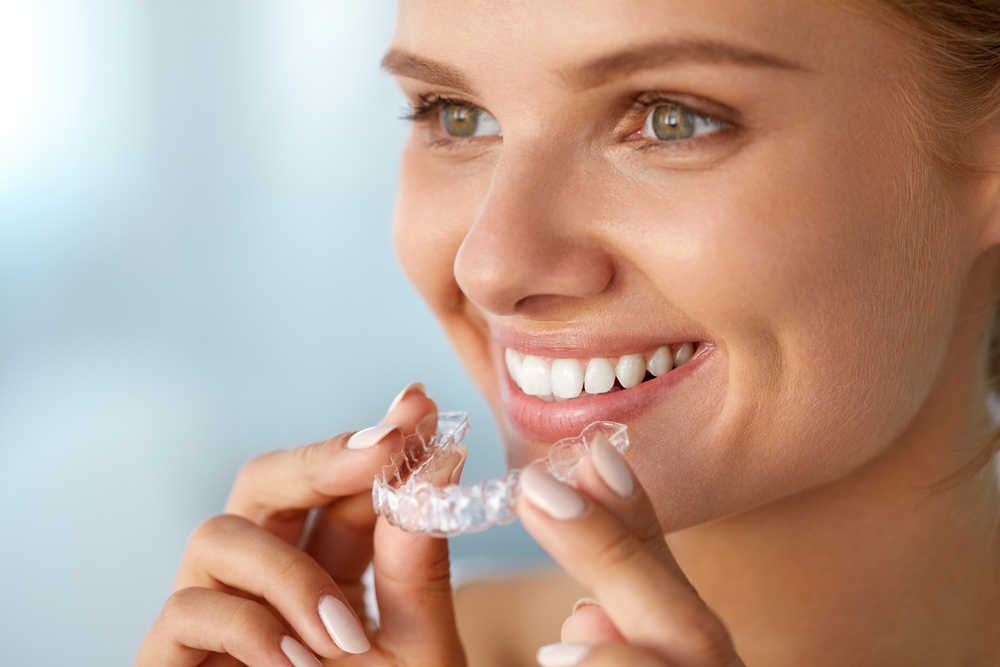
Clear Aligners vs Braces: Which Is Right for Your Smile? Thinking about straightening your teeth, but not sure whether to choose clear aligners or traditional braces? You’re not alone. This is one of the most common questions we hear from patients at Smilogy’s Edgecliff and Castle Hill clinics. Both options can give you a straighter, healthier smile — but they suit different lifestyles, budgets and smile goals. Let’s walk through the key differences so you can feel confident about your next step. How Do Clear Aligners Work? Clear aligners are thin, removable plastic trays that fit snugly over your teeth. You’ll wear a series of aligners, each one gently moving your teeth a little closer to their ideal position. At Smilogy, your aligner treatment starts with: You wear your aligners for 20–22 hours a day, removing them only for eating, drinking anything other than water, and brushing. Best suited for: How Do Braces Work? Traditional braces use brackets and wires attached to your teeth. Your dentist or orthodontist gradually adjusts the wires to guide tooth movement. Braces can be: Because braces are fixed to your teeth, you don’t have to remember to put them back in — but you do need to be careful with certain foods and extra cleaning around the brackets. Best suited for: Appearance: How Visible Are They? This is often the biggest deciding factor, especially for adults. If a low-key look is important to you, clear aligners usually come out on top. Comfort: Which Feels Better? All orthodontic treatment involves some pressure on your teeth (that’s how they move!), but the experience can be different. Most patients describe aligners as more comfortable overall, especially once they get used to switching to a new set. Eating & Lifestyle: Which Is Easier Day to Day? If you love your food and don’t want to change your diet too much, clear aligners can be a big win. Treatment Time: Which Is Faster? Treatment time depends mostly on: For many mild to moderate cases, clear aligners and braces can take a similar amount of time. The big difference is: At Smilogy, we’ll map out your individual timeline during your consultation and give you a realistic idea of how long treatment may take. Cleaning & Oral Hygiene Keeping teeth clean during orthodontic treatment is crucial for avoiding decay and gum issues. If you already find flossing a chore, aligners may feel more manageable. Cost: Are Clear Aligners More Expensive? Costs depend on: Clear aligners can be similar in cost to braces, especially for shorter or simpler treatments, but it does vary. At Smilogy, we’ll go through your options transparently and discuss: So… Clear Aligners or Braces? There’s no one-size-fits-all answer. However, this is a useful rule of thumb: Choose clear aligners if you: Choose braces if you: At Smilogy, our dentists at Edgecliff and Castle Hill will assess your teeth, listen to your goals, and help you decide which option suits you best — clinically, financially and lifestyle-wise. Ready to Talk About Your Options? If you’re unsure which way to go, the best starting point is a comprehensive aligner and orthodontic consultation. Our team at Smilogy Edgecliff and Smilogy Castle Hill will: You can book your appointment online or get in touch with our friendly team to find a time that suits you. FAQ Ideas for Schema

Read More
Protect Your Pearly Whites with Mouth Guards

Protect Your Pearly Whites with Mouth Guards

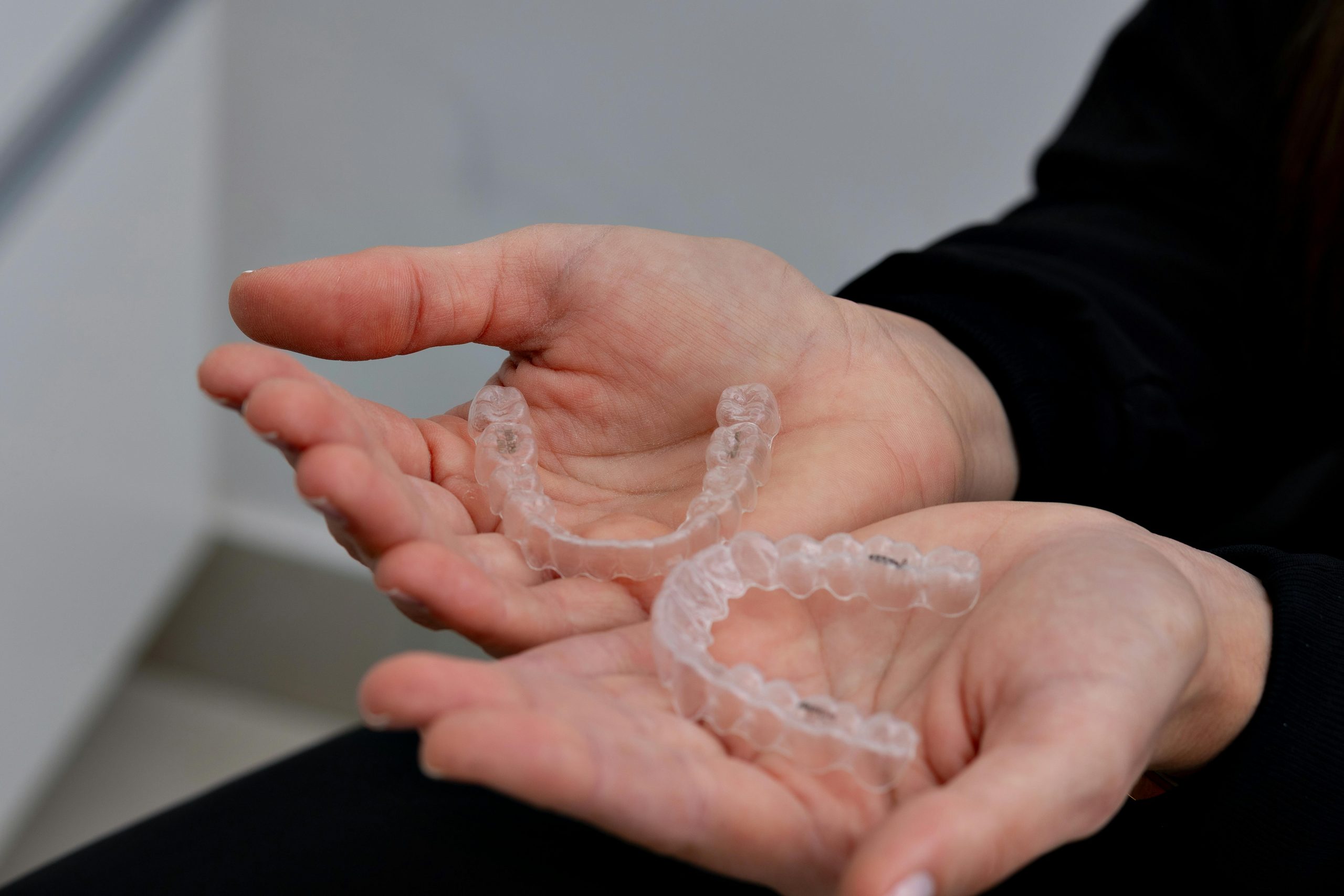
A radiant smile serves as a global indicator of confidence and overall well-being. Nevertheless, achieving and preserving those gleaming teeth requires more than the routine practices of brushing and flossing. Often overlooked, dental protection plays a pivotal role in oral care. Here at smilogy, we recognise the importance of shielding your teeth, and our premium mouth guards are designed to meet that need. Let’s explore the significance of dental protection and the wisdom behind choosing a high quality mouth guard. The Importance of Dental Protection Dental protection is a crucial aspect of oral care that often goes overlooked. Dental protection is paramount for preserving oral health and safeguarding against common dental injuries that can compromise the integrity of teeth. Accidents, falls, and sports-related impacts pose risks such as chipped, cracked, or dislocated teeth, with tooth loss being the most severe consequence.  Mouth guards for dental injuries play a crucial role in mitigating these risks, offering a protective barrier during physical activities and preventing the harmful effects of nighttime teeth grinding. Beyond aesthetics, dental injuries can lead to immediate discomfort, long-term consequences, and substantial financial burdens. Investing in dental protection not only ensures the longevity of a vibrant smile but also contributes to overall well-being, emphasising the importance of proactive measures in maintaining optimal oral health. Understanding Mouth Guards A healthy smile is a treasure, and maintaining it requires more than just brushing and flossing. Enter mouth guards – unsung heroes in the realm of oral health. Mouth guards are like superheroes for your teeth, defending them from potential harm.  They work by absorbing and spreading out any impact that could chip, crack, or move your teeth. Whether you’re into sports, grind your teeth at night, or want to protect dental work, a well-fitted mouth guard acts as a shield, keeping your smile safe and sound.  Types of Mouth Guards There are many types of mouthguards. However, every individual has a different requirement, and it all depends on after they’ve consulted with the doctor regarding what suits them best and what would the process entail.  Importance of Choosing the Right Mouth Guard for Specific Activities  Choosing the right mouth guard for specific activities is paramount to ensuring optimal protection and comfort. The intensity and nature of activities vary, demanding tailored solutions to address unique risks. For high-impact sports, custom-fitted mouth guards offer superior shock absorption, safeguarding against potential dental injuries. In contrast, less rigorous activities may find effectiveness in boil-and-bite options.  Tailoring the mouth guard to the specific demands of each activity not only enhances its protective capabilities but also ensures a comfortable fit. It promotes compliance and encourages consistent use to maintain oral health during both sports and nighttime teeth grinding scenarios. The Process of Getting a Custom-Fitted Mouth Guard Getting a custom-fitted mouth guard at smilogy is a personalised and comfortable process designed to meet your specific needs: Why smilogy for Mouth Guards? Choosing mouthguards from smilogy Dental Care Centre comes with a myriad of compelling reasons, making it the ideal choice for individuals seeking top-notch oral protection: Caring for Your Mouth Guard Your mouth guard, an investment in the longevity of your smile, requires proper care. smilogy, your trusted oral care partner, provides essential insights. After each use, rinse your mouth guard with cold water and brush it gently using mild soap to prevent bacterial growth. Periodically soak it in a mixture of vinegar and water for thorough sanitizations, ensuring it’s completely dry before storage. Proper storage in a ventilated case away from direct sunlight and pets preserves its integrity. smilogy recommends regular inspections for signs of damage and advocates replacement if cracks, tears, or discomfort arise. Following these practices ensures your mouth guard remains clean, intact, and a reliable protector of your dental well-being. Guard Your Smile with Confidence: Book Now! Ready to safeguard your smile with top-notch protection? Choose smilogy for premium custom-fitted mouth guards. Our experts are dedicated to your oral well-being, ensuring comfort, durability, and optimal protection. Don’t compromise on your dental health – schedule a consultation with smilogy today and experience the confidence of a well-protected smile. Your journey to lasting oral care begins here! FAQs Q1. Why Do We Need to Wear Mouthguards? Wearing mouthguards is important for safeguarding our teeth and mouth in various situations. They act like a protective cushion, absorbing and spreading out impact forces that might otherwise cause teeth to chip, crack, or become dislocated. Whether you’re engaged in contact sports or looking to prevent nighttime teeth grinding (bruxism), using mouthguards is a key way to take care of your oral health and avoid injuries. Q2. What Are Mouthguards Used For? Mouthguards serve multiple purposes. In sports, they protect teeth from impact during activities like football, basketball, or martial arts. They also play a vital role in preventing dental damage caused by nighttime teeth grinding. Additionally, mouth guards are used to safeguard dental work, such as crowns or bridges, ensuring their longevity and preserving overall oral health. Q3. Can a Custom Night Guard Shift Your Teeth? Certainly not. A custom night guard, meticulously fitted by a professional, is expressly designed to halt teeth grinding without inducing tooth shifting. These guards are meticulously crafted to minimise any potential risk of inadvertent tooth movement, concurrently providing robust protection during the nocturnal hours of sleep. Q4. How Well Do Mouthguards Protect Teeth? Well-fitted mouth guards, especially custom ones crafted by dental professionals, offer excellent protection for teeth.  The effectiveness of mouth guards in protecting teeth is closely tied to their quality, fit, and the specific activities for which they are designed. Q5. How Often Do You Need To Replace a Mouthguard? To keep it simple, it depends on how much you use it, how well you take care of it, and your oral health. As a rule of thumb, if you see wear and tear, notice it losing shape, or feel uncomfortable, it’s time for a new one. For those who use it often in sports or for teeth grinding,

Read More
Teeth Straightening in Castle Hill & Edgecliff

Achieve a Straighter Smile: The Journey to Teeth Alignment

Feel the joy of flashing a confident smile, free from the self-consciousness of misaligned teeth. Picture yourself biting into a crisp apple without discomfort, or embracing social interactions without worrying about your smile’s appearance. The journey to a straighter smile is not just about aesthetics; it’s about reclaiming your confidence, enhancing your oral health, and embarking on a happier, more fulfilling life. Traditional braces, the time-honoured method of tooth alignment, have stood the test of time for a reason. These trusty metal brackets and wires work their magic gradually, gently coaxing your teeth into their proper positions. While they require regular adjustments, traditional braces offer a proven track record of effectiveness and long-lasting results, making them suitable for a wide range of needs. What is a Straighter Smile, and Why is it required? A straighter smile is a smile with evenly aligned teeth free from overcrowding, gaps, or other misalignment. It is a desirable aesthetic feature that can enhance one’s appearance and boost self-confidence. However, the benefits of straight teeth extend beyond just looks. What causes misaligned teeth? There are many causes of misaligned teeth. Some of the most common causes include: What is teeth straightening? Teeth straightening, also known as orthodontics, is the process of correcting misaligned teeth and jaws. It involves using techniques, such as braces, clear aligners, or retainers, to gradually move teeth into their proper positions. There are several methods of teeth straightening, including: What are the benefits of teeth straightening? Beyond the aesthetic appeal of a straighter smile, teeth straightening offers numerous health benefits, including: What Are My Options For Straightening My Teeth? A straighter smile can significantly enhance your appearance, confidence, and overall oral health. With the advancements in orthodontics, there are now numerous options for straightening teeth, each with unique advantages and considerations. There are several methods of teeth straightening, including: Can Teeth Be Straightened At Any Age? What Is The Right Age For Teeth Straightening? Yes, teeth can be straightened at any age, provided you have healthy teeth and gums. In fact, adult orthodontics is becoming increasingly popular, with about one in five orthodontic patients being adults. The right age for teeth straightening depends on several factors, including: Consult Your Dentist Take the first step towards a straighter, healthier, and more confident smile by consulting your dentist. They will assess your unique needs and recommend the most suitable treatment option for you. Together, you can embark on a transformative journey that will enhance your appearance, boost your confidence, and promote overall well-being. Remember, a straighter smile is not just about changing your teeth; it’s about transforming your life. So, what are you waiting for? Embrace the opportunity to smile confidently and shine brightly. FAQs Q1. How can I improve my teeth alignment? There are several methods that can help improve your teeth alignment, including: Orthodontic treatment: Orthodontic appliances, such as braces or clear aligners, can effectively straighten misaligned teeth. Dental veneers: These thin porcelain shells can be bonded to the front of teeth to mask minor misalignment and enhance the smile’s appearance. Tooth reshaping: This procedure involves removing a small amount of enamel from the teeth to alter their size and shape for cosmetic improvement. Q2. What is the fastest way to straighten your smile? Accelerated orthodontic treatments can significantly reduce treatment time by up to 50%. These methods work by stimulating bone turnover around the teeth, allowing them to move more quickly with orthodontic treatment. Q3. How can I straighten my teeth with braces? Both braces and Invisalign work by gradually applying controlled force to move teeth into their proper positions. Braces use brackets and wires attached to the teeth, while Invisalign utilises a series of removable clear trays. Treatment typically lasts for 1–3 years. Q4. Which teeth are the hardest to straighten? Upper canines, also known as eye teeth, are often considered the most challenging teeth to move orthodontically due to their deep roots and complex position in the jawbone. Their movement may require additional adjustments and longer treatment duration. Q5. Are people with straight teeth more attractive? Studies have shown that people with straight teeth are generally perceived as more attractive, confident, and approachable. Straight teeth contribute to a harmonious facial appearance and convey a sense of well-being. However, attractiveness is subjective and encompasses various factors beyond just teeth alignment.

Read More