Thinking about straightening your teeth, but not sure whether to choose clear aligners or traditional braces? You’re not alone. It’s one of the most common questions we hear at smilogy’s Edgecliff and Castle Hill clinics.
Both options can move your teeth into a straighter, healthier position. They just suit different lifestyles, budgets and cases. This guide puts them side by side so you can feel confident about your next step.
clear aligners, invisible braces: what’s the difference?
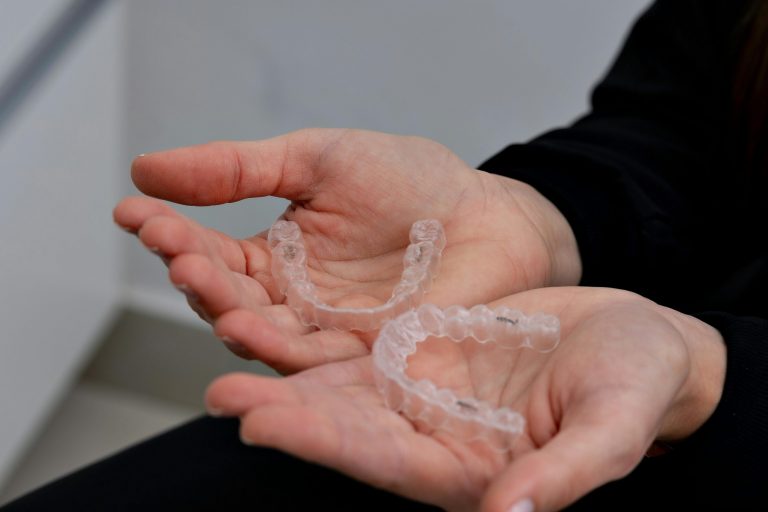
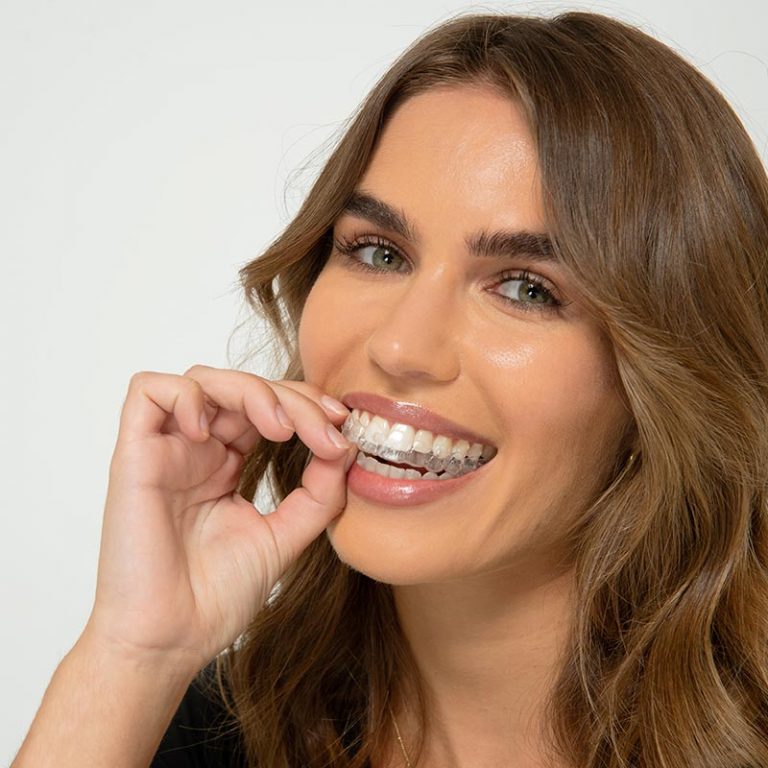
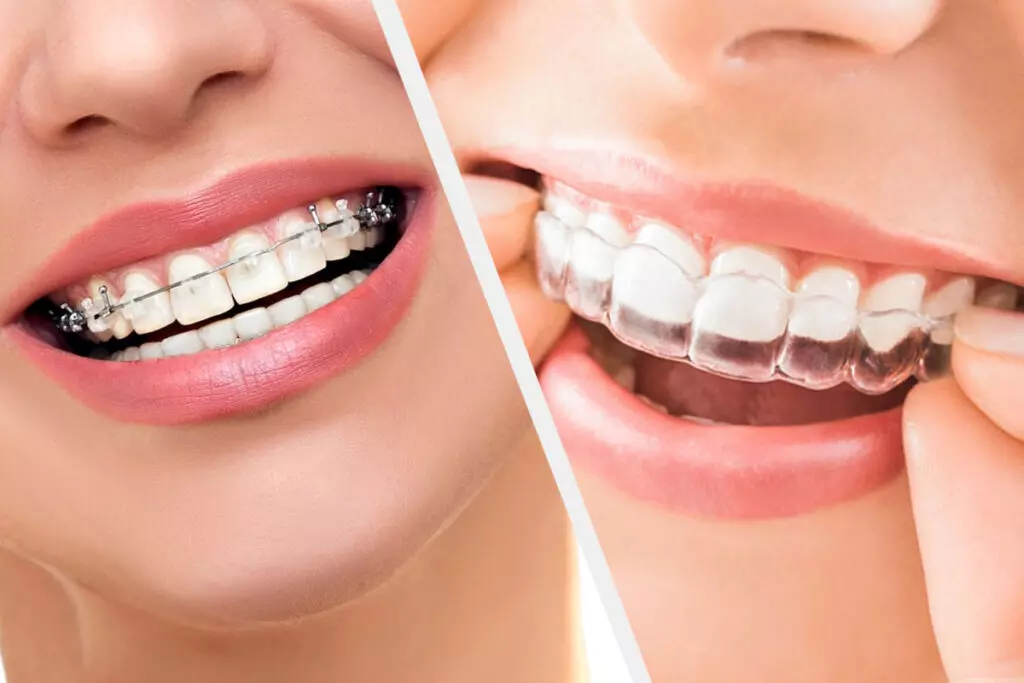
You’ll often see clear aligners called “invisible braces”. They’re the same thing: a series of thin, clear, removable plastic trays custom-made to fit over your teeth. Each set moves your teeth a little closer to their planned position.
Braces, on the other hand, are fixed. Brackets are bonded to your teeth and joined by a wire, which is adjusted over time to guide your teeth into place.
If you’d like a fuller explanation of how aligners work before comparing, start with our guide what are clear aligners?
how do clear aligners work?
At smilogy, aligner treatment starts with:
- a thorough consultation and oral health check
- digital scans instead of messy impressions
- a customised 3D treatment plan that maps each stage of your tooth movement
You wear your aligners for 20–22 hours a day, taking them out only to eat, drink anything other than water, and brush. Each set is usually worn for one to two weeks before you move to the next.
Often suited to:
- mild to moderate crowding or spacing
- people who want a discreet, low-profile option
- adults and teens who can commit to wearing aligners as instructed
how do braces work?
Traditional braces use brackets and wires attached to your teeth. Your dentist or orthodontist adjusts the wires at regular visits to keep the teeth moving. Braces can be metal (the most common) or ceramic, tooth-coloured brackets that are less noticeable.
Because braces are fixed, you don’t have to remember to put them back in. You do need to be careful with some foods and spend extra time cleaning around the brackets.
Often suited to:
- more complex bite or alignment issues
- people who prefer a “set and forget” option
- younger patients who might lose removable aligners
appearance: how visible are they?
For many adults, this is the deciding factor.
- Clear aligners are hard to notice in everyday conversation. There are no metal brackets or wires, which helps if you talk to clients, appear on camera, or simply don’t want your treatment to be obvious.
- Braces are visible when you smile and talk. Ceramic brackets are more discreet than metal but still more noticeable than aligners. Some younger patients enjoy choosing coloured bands.
comfort: which feels better?
All orthodontic treatment involves some pressure on your teeth. That’s how they move. You’ll usually notice it for a day or two after starting a new aligner or having braces adjusted, and it tends to ease as your teeth settle.
- Clear aligners are smooth plastic with no brackets or wires, so there’s less chance of rubbing on your cheeks and lips, and nothing to poke or snap.
- Braces can rub, especially when they’re first placed or adjusted. Orthodontic wax can help while you get used to them.
Many people find aligners more comfortable overall once they’re used to switching sets.
eating and lifestyle: which is easier day to day?
- Clear aligners come out when you eat, so there’s no list of banned foods. Just brush or rinse before you pop them back in.
- Braces mean avoiding foods that can damage brackets or get stuck, such as hard lollies, very chewy or sticky foods, corn on the cob and some nuts.
If you love your food and don’t want to change your diet much, aligners can be a big advantage. The trade-off is discipline: they only work when they’re in. For a look at everyday life in aligners, from coffee to photos to sport, see what to expect on your clear aligner journey.
treatment time: which is faster?
Treatment time depends mostly on how complex your case is, how well you follow instructions, and your own biology, since everyone’s teeth move a little differently.
For many mild to moderate cases, aligners and braces take a similar amount of time. Aligner treatment often runs somewhere between 6 and 18 months. The key difference:
- aligners rely on you wearing them 20–22 hours a day
- braces work around the clock because they’re fixed
We’ll map out your own timeline at your consultation and give you a realistic estimate for your teeth.
cleaning and oral hygiene
Keeping your teeth clean during treatment helps you avoid decay and gum problems, whichever option you choose.
- Clear aligners: take the trays out and brush and floss as normal. Clean the aligners gently as your dentist recommends.
- Braces: cleaning takes more time and tools, such as floss threaders and interdental brushes, because food and plaque can get trapped around brackets.
With either option, a few habits help:
- brush and floss every day so plaque doesn’t build up
- drink plenty of water
- go easy on sticky and sugary foods
- keep up your regular check-ups so your dentist can keep an eye on your teeth and gums
cost: are clear aligners more expensive?
At smilogy, clear aligners start from $2,250 (lite), with standard plans at $3,850 and advanced plans at $4,850. Your fee depends on:
- how complex your case is
- how long treatment is expected to take
- any other treatment needed first, such as a clean or fillings
These are “from” prices, and we’ll confirm your exact fee at your consultation. Payment plans are available, and you may be able to claim part of the cost through private health cover. To weigh the cost against the long-term benefits, read are clear aligners worth it?
so, clear aligners or braces?
There’s no one-size-fits-all answer, but here’s a useful rule of thumb.
Clear aligners may suit you if you:
- want a discreet option that’s hard to notice
- want to keep eating normally
- can commit to wearing them 20–22 hours a day
Braces may suit you if you:
- have more complex bite or alignment issues
- prefer a fixed option that doesn’t rely on you remembering to wear it
- don’t mind the look of brackets and wires
Choosing for a teenager? Our guide to aligners for teens covers what parents usually ask.
faqs
are clear aligners as effective as braces?
For many mild to moderate alignment issues, clear aligners can be as effective as braces. For more complex bite problems, braces may be recommended. Your dentist will advise what suits your case.
do clear aligners hurt less than braces?
Both can feel tight or a little sore when you start a new aligner or have braces adjusted, and this usually settles. Many people find aligners more comfortable overall because there are no brackets or wires.
can I switch from braces to clear aligners?
Sometimes. If your teeth and gums are healthy, it may be possible to move from braces to aligners partway through treatment. It depends on your alignment and treatment plan.
are clear aligners suitable for teenagers?
Many teenagers are suitable, as long as they’re ready to wear their aligners as instructed. Your dentist will assess suitability at a consultation.
are clear aligners suitable for everyone?
No. They suit a wide range of alignment issues, but not every case. A dentist needs to examine your teeth, gums and bite to tell you whether aligners are the right option.
talk through your options
If you’re unsure which way to go, the best starting point is a consultation. We’ll check your oral health, take digital scans, talk through aligners and braces for your case, and answer your questions about cost, comfort and results.
Learn more about clear aligners at edgecliff or castle hill, or book online today.