
If you are thinking about veneers, one of the first choices you will face is the material: composite resin or porcelain. Both can change the colour, shape and size of your teeth, but they differ in how they are made, how much tooth preparation they need, how long they tend to last and what they cost.
This guide explains what composite veneers are, how they compare with porcelain, and the honest pros and cons of veneers in general, so you can have a better-informed conversation with your dentist.
what are composite veneers?
Composite veneers are thin layers of tooth-coloured resin that are applied directly to the front of your teeth and shaped in the chair. The resin comes in a range of shades, so it can be matched to your natural teeth or brightened a little.
Because they need less tooth preparation than porcelain, composite veneers are less invasive and more subtle. They are a good fit for fixing minor cosmetic issues, like a small chip or an uneven edge, without a big change to your natural look.
Composite veneers can often be adjusted, repaired or removed later, which makes them less of a commitment than porcelain. The artistry matters, though. Shaping resin by hand so it looks natural takes skill and care.
what are porcelain veneers?
Porcelain veneers are thin shells made in a dental laboratory from a scan or impression of your teeth, then bonded in place. A thin layer of enamel is usually removed first to make room for them.
Porcelain can closely mimic the translucency of natural teeth and is very stain resistant. It suits bigger changes and full smile makeovers. For the full picture, including the step-by-step process and aftercare, read everything you need to know about porcelain veneers.
porcelain vs composite veneers: the key differences
The choice is yours, and your dentist will help you weigh it up. Here is how they generally compare.
composite veneers
- subtle, good for smaller changes
- minimally invasive, with little or no tooth preparation
- applied directly, often in fewer appointments
- can usually be repaired if chipped
- can often be altered or reversed
- more prone to staining over time
- generally cost less than porcelain
- a lifespan of around 5 to 7 years is often quoted
porcelain veneers
- suit bigger changes and full smile makeovers
- need some enamel removed, so they are not reversible
- made in a laboratory, so treatment takes more steps
- highly stain resistant
- harder to repair if they break, and usually need replacing
- generally cost more than composite
- a lifespan of around 10 to 15 years is often quoted
These lifespans are general guides only. How long any veneer lasts depends a lot on your habits and how well you care for it.
why do people get veneers?
Veneers have a long history. The first were created in 1928 by Charles Pincus, a dentist asked to change an actor’s smile for the screen. Those early veneers were temporary and came off at the end of the day. Modern veneers are bonded in place and last much longer, and today people choose them for all sorts of everyday reasons.
- stubborn stains. Professional teeth whitening (at edgecliff or castle hill) works well for many people, but some stains don’t respond to it. Veneers can cover discolouration that whitening can’t shift.
- chipped, cracked or worn teeth. Veneers can restore the shape and look of damaged teeth.
- crooked teeth. For minor crookedness, veneers can create the look of a straighter smile. Clear aligners (at edgecliff or castle hill) can actually move teeth, and some people use aligners first and veneers after. We can talk through which option, or combination, suits you.
- gaps. Small spaces between teeth can be closed or reduced.
- confidence. If you have spent years hiding your smile in photos or conversation, feeling happier with it can make a real difference to how you feel.
- a big day. Some people plan veneers ahead of a wedding, graduation or other milestone. If you have a date in mind, talk to us early, as treatment takes time to plan.
the pros of veneers
For the right person, veneers have a lot going for them. They can be:
- natural looking. Careful planning and shade matching help them blend in.
- long lasting. With good care, both types can last many years.
- more conservative than crowns. Veneers are thin, so they generally need less tooth preparation than a crown.
- easy to shade match. You and your dentist can choose a shade that suits you.
- stain resistant (porcelain). Porcelain holds its colour well against coffee and red wine, and can mask discolouration underneath.
the cons: why veneers aren’t right for everyone
Veneers are not one-size-fits-all, and it is worth being honest about the downsides:
- they are not reversible (porcelain). Once enamel is removed, it doesn’t grow back.
- sensitivity. Some people notice temporary sensitivity after enamel is prepared.
- cost. Veneers are an investment, and they may need replacing one day.
- they are artificial. Some people simply prefer to keep their natural teeth as they are.
- not everyone is a candidate. Decay, gum disease, heavy grinding or other conditions may mean another treatment is a better fit.
If you are worried about discomfort, read do veneers hurt? the honest truth.
how much do veneers cost?
At smilogy, veneers start from $6,300 per smile. The exact cost depends on the material, the number of teeth and what your case needs, and we confirm it at your consultation. Payment plans are available, and your private health cover may help with part of the cost. See our payment plans for details.
faqs
are composite veneers less invasive than porcelain?
Generally, yes. Composite veneers need little or no enamel removed, while porcelain veneers usually need a thin layer taken off.
can composite veneers be removed?
Often, yes. Composite can usually be adjusted, repaired or removed, depending on how much tooth preparation was done.
which lasts longer, composite or porcelain?
Porcelain generally lasts longer and resists staining better. Your habits and care make a big difference to both.
can I see what veneers would look like first?
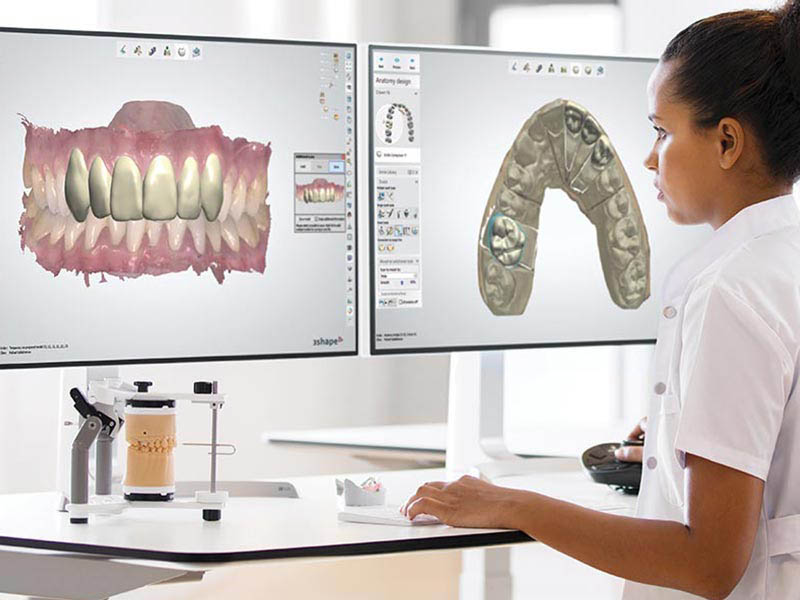
Yes. As part of a smile makeover, we take a 3D scan and photos and can show you a digital preview before you decide. It is a guide, not an exact promise of the final result.
find the right veneers for you
Not sure whether composite or porcelain suits you best? Book a consultation and 3D scan. We will look at your teeth, listen to your goals and talk you through the options, with a clear plan and price before you commit.
Any invasive procedure carries risks. Before proceeding, you may wish to seek a second opinion from an appropriately qualified health practitioner.
Learn more about veneers at edgecliff or castle hill, or book online today.