
Dental Veneers: Benefits, Procedure, Costs, and Results
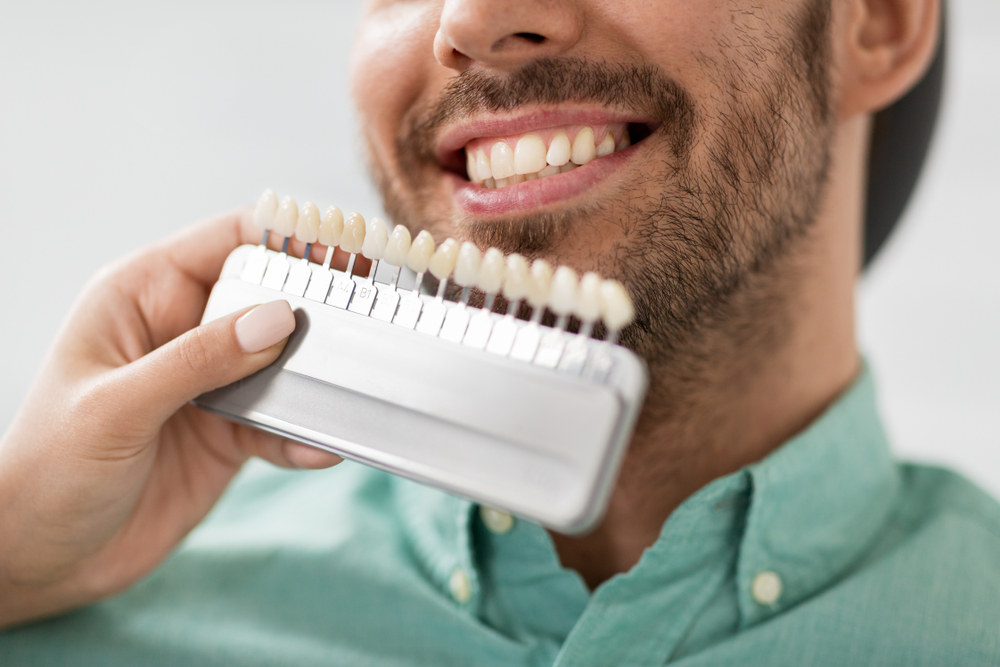
An enchanting smile has the power to transform one’s confidence and create a memorable impact. When it comes to achieving a radiant and impeccable smile, dental veneers have emerged as a widely embraced and effective solution. In this blog, we will delve into the realm of dental veneers, examining their advantages, the procedural steps, related expenses, and the remarkable outcomes they can deliver. Importance of a confident smile Your smile serves as a silent ambassador, leaving a lasting impression on those you encounter. The significance of a confident grin extends beyond its visual appeal, influencing how others perceive your approachability and self-assuredness. In social settings, a genuine smile can be a powerful catalyst for building connections and establishing positive relationships. For those looking to enhance their confidence through an improved smile, dental veneers offer a transformative solution. Whether addressing discoloration, misalignment, or other cosmetic concerns, veneers provide a tailored and natural-looking enhancement. With their durable and aesthetically pleasing results, veneers empower individuals to confidently display their smiles, positively influencing their self-image in personal and professional settings. Understanding Dental Veneers & Costs Dental veneers represent a transformative element within the realm of cosmetic dentistry. These exceptionally thin shells, meticulously crafted from either porcelain or resin, are bespoke in design to cover the frontal part of teeth. Serving as adept concealers, they effectively mask imperfections such as discoloration or chips, contributing to the attainment of an aesthetically pleasing smile. Veneers prove particularly advantageous in addressing concerns such as misalignment or tooth gaps. The cost of it may vary from place to place. But in general, composite veneers are generally less expensive than porcelain veneers. Prices may range from $300 to $1,500 per tooth. Porcelain veneers are typically more expensive due to the laboratory work involved in their fabrication. Prices may range from $800 to $2,500 or more per tooth. Types of Dental Veneers Other Types Include Process of Getting Dental Veneers The process is not that complex but having a detailed knowledge about what to do, how to do and what entails the process is a must. Benefits of Dental Veneers Dental veneers have become a beacon of hope for individuals aspiring to transform their smiles and boost their confidence. These wafer-thin shells, customised to fit over the front surface of teeth, offer a range of benefits that extend beyond mere cosmetic enhancement. Here’s a closer look at the advantages of dental veneers: Maintaining Dental Veneers Veneers require a lot of care and attention, especially in the beginning. Here are a few tips and suggestions to maintain them: Get Dental Veneers Without Fear! Whether you’re looking to correct discoloration, gaps, or misalignments, our expert team is here to guide you through the process. Schedule your personalised veneer consultation now and discover the transformative benefits of this cosmetic dentistry solution. Don’t miss out on the opportunity to showcase your best smile – take the first step towards a more radiant you! Schedule an appointment with us at smilogy today. Your dream smile awaits! FAQs 1. What Types of Problems Do Dental Veneers Fix? Dental veneers, composed of porcelain or composite resin, address cosmetic and functional issues. They cover severe discoloration, repair minor chips and cracks, create the illusion of straighter teeth for minor misalignments, close small gaps, and restore the appearance of worn or uneven teeth, enhancing both aesthetics and function. 2. What Are The Least Damaging Veneers? Out of all the types, there are two types of veneers that are the safest: Porcelain veneers are durable and stain-resistant but involve enamel removal, making them slightly more invasive. Composite resin veneers, applied directly in the dental office, are less expensive and less invasive but may be more prone to staining and have a shorter lifespan than porcelain veneers. 3. How Painful are Dental Veneers? Dental veneer placement is generally not painful, with local anaesthesia used during preparation. Post-procedure, some may encounter temporary sensitivity or discomfort as they adapt to the dental changes. 4. Can You Eat Normally With Veneers? Yes, you can eat normally with veneers. However, it’s advisable to avoid biting into hard objects or using your teeth for activities like opening packages, as this could potentially damage the veneers. While veneers are durable, they are not indestructible, and taking care of them by avoiding excessive force or pressure is recommended. 5. How Often Do Veneers Need Maintenance? Porcelain or composite resin veneers require minimal upkeep. Consistent oral hygiene practices, like brushing, flossing, and regular check-ups, ensure the overall health of teeth, including those with veneers. Veneer lifespan varies based on care and type. With proper maintenance, they can last for years before requiring significant attention or replacement. Regular dental assessments aid in timely recommendations.